SAP MBST: How to Reverse a Goods Receipt – Step-by-Step Guide
In SAP HANA and ECC 6.0, a Goods Receipt (GR) is a main transaction that records the physical receipt of goods or materials into inventory. It updates the stock balance, records the financial entries, and links the receipt to the Purchase Order. But mistakes can happen - like receiving the wrong quantity, the wrong item, or an incorrect posting. That's why it's important to know how to reverse a Goods Receipt in SAP to keep your inventory and financial records accurate. This guide walks through the Step-by-Step Process using transaction MBST. If you encounter any errors in SAP, send me a screenshot at pramod@learntosap.com, and I will help you resolve the issue.
✅ Introduction to Goods Receipt in SAP
In SAP HANA and ECC 6.0, a Goods Receipt (GR) is a main transaction that records the physical receipt of goods or materials into inventory. It updates the stock balance, records the financial entries, and connects the receipt to the Purchase Order. But mistakes can happen - like receiving the wrong quantity, the wrong item, or an incorrect posting. That's why it's important to know how to reverse a Goods Receipt in SAP to keep your inventory and financial records accurate.
Why Reversing a Goods Receipt Matters
A wrongly posted Goods Receipt can affect both stock accuracy and financial statements in several distinct ways:
- Inventory mismatches: Incorrect quantities show up in stock, throwing off everything from available-to-promise checks to production planning.
- Financial inconsistency: Misposted accounting entries distort GR/IR clearing and inventory valuation until the error is corrected.
- Supply chain confusion: Purchase Orders get marked as delivered when they're not, creating a false picture of what has and hasn't actually arrived.
📋 Common Scenarios Where a Reversal Is Needed
- Goods delivered in excess of the ordered Purchase Order quantity.
- The wrong material received against a Purchase Order line.
- A duplicate Goods Receipt posted for the same delivery.
- Damaged goods that need to be returned to the vendor after receipt.
Each of these scenarios shares the same underlying problem: the system now shows something that doesn't match physical or business reality, and the correct fix is a proper reversal rather than a manual workaround.
🔧 Methods to Reverse Goods Receipt in SAP
There are two main methods to reverse a Goods Receipt in SAP: MBST and MIGO. Reversal using transaction MBST is the most direct way to cancel a goods movement, since MBST is purpose-built for exactly this task rather than being a general-purpose posting screen that also happens to support cancellation.
| Transaction | Purpose |
|---|---|
| MBST | Reverse a Material Document as a dedicated, standalone reversal transaction. |
| MIGO | Post a Goods Receipt, or reverse one using its built-in Cancellation tab. |
| MMBE | Display stock overview, used to verify inventory before and after a reversal. |
🔧 Step-by-Step Guide for MBST
Check Stock - MMBE. Before anything else, review current stock so you have a clear baseline to compare against once the reversal is posted.
Create Purchase Order - ME21N. A Purchase Order is created for the material that will be received.
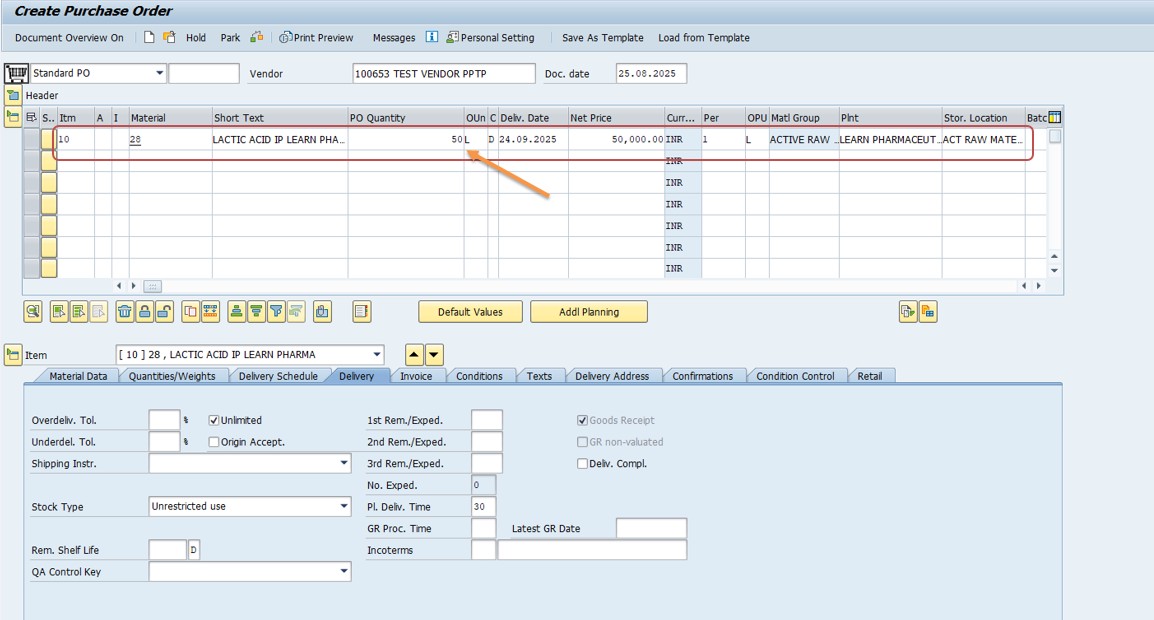
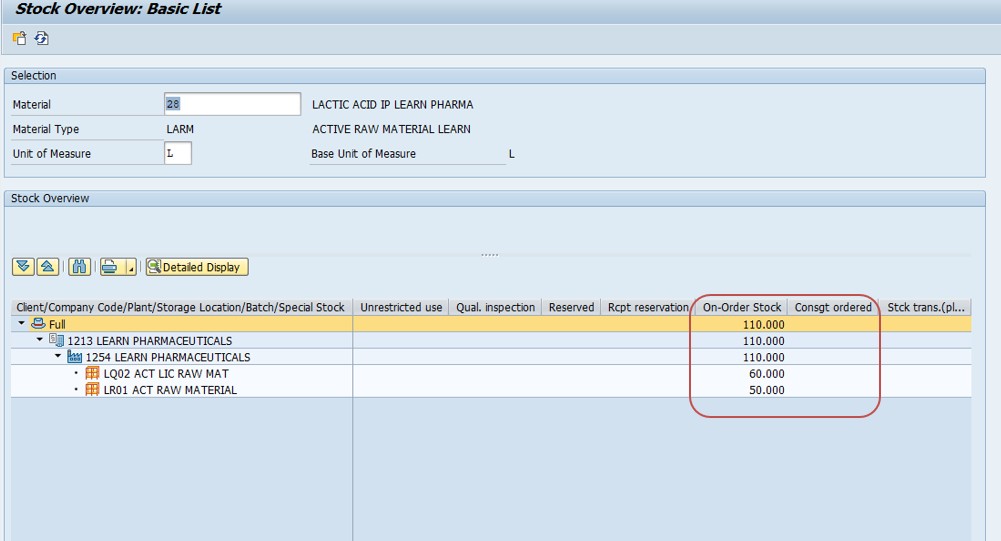
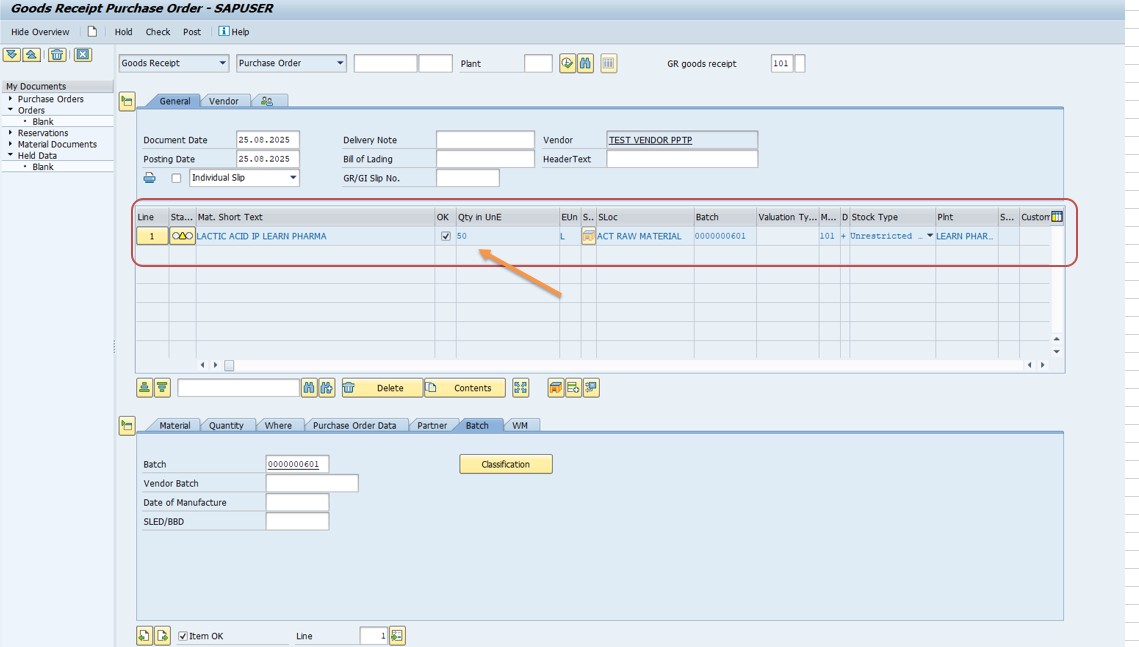
Create MIGO. A Goods Receipt is posted against the Purchase Order, recording the material as received into stock.
Check Stock - Tcode - MMBE. Stock overview now reflects the newly received quantity, confirming the Goods Receipt updated inventory as expected.
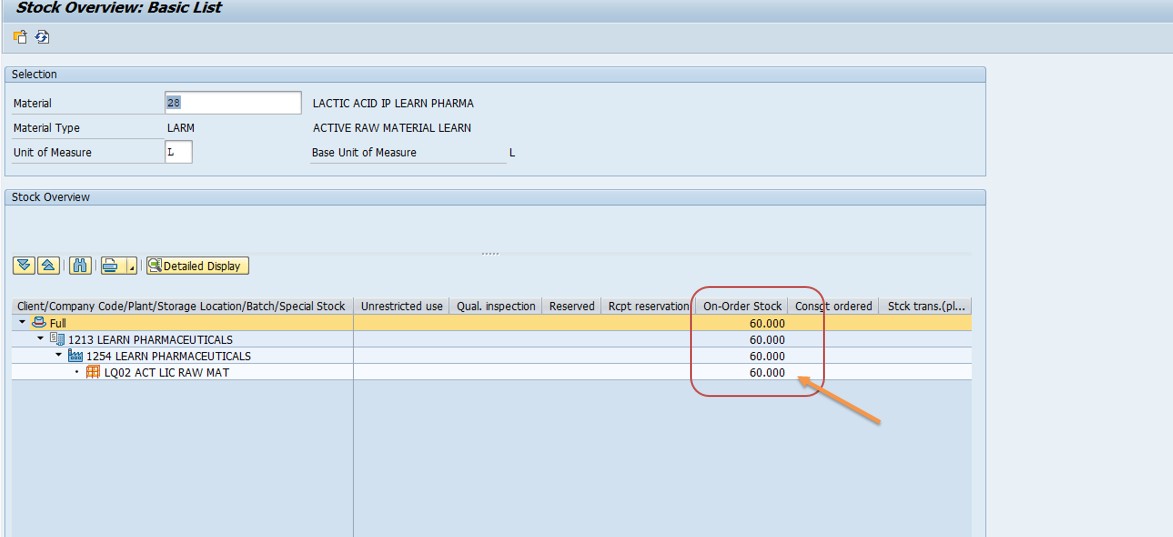
Then Coming Damaged Goods - Then MM (Materials Management) User Decided Reverse GR (Goods Receipt) in SAP. In this scenario, the received goods later turn out to be damaged, and the Materials Management user needs to reverse the original Goods Receipt to correct the record before the damaged material is dealt with.
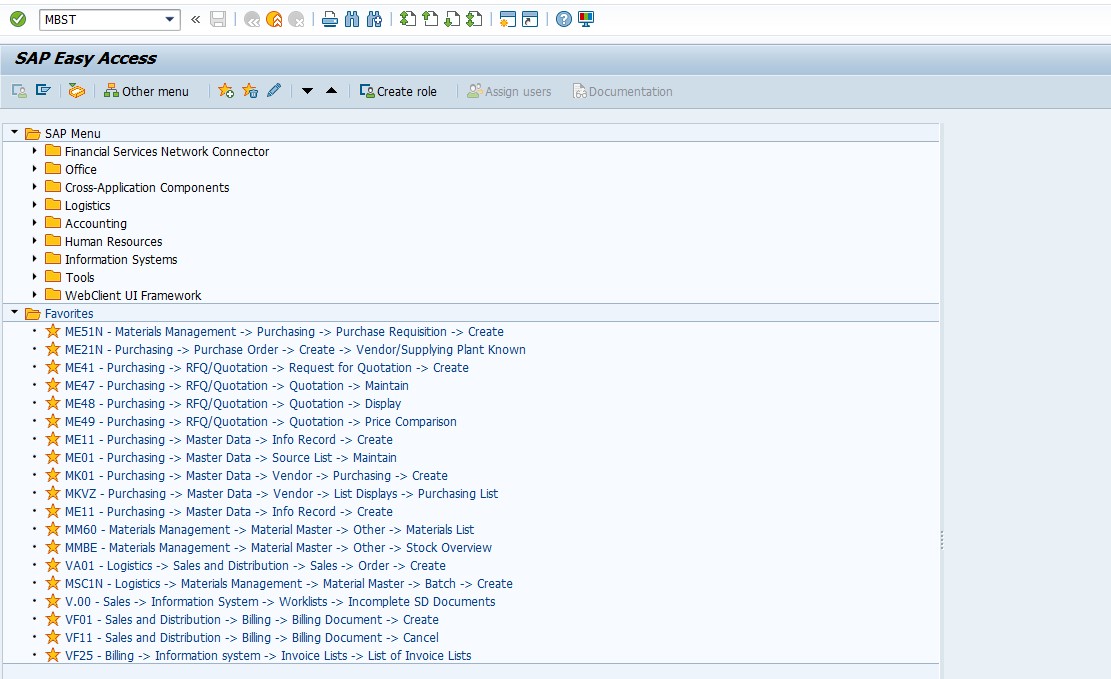
Enter MBST in the SAP command field. This opens the dedicated Goods Receipt reversal transaction.
Enter the Material Document Number of the GR you want to reverse. This identifies exactly which Goods Receipt is being cancelled.
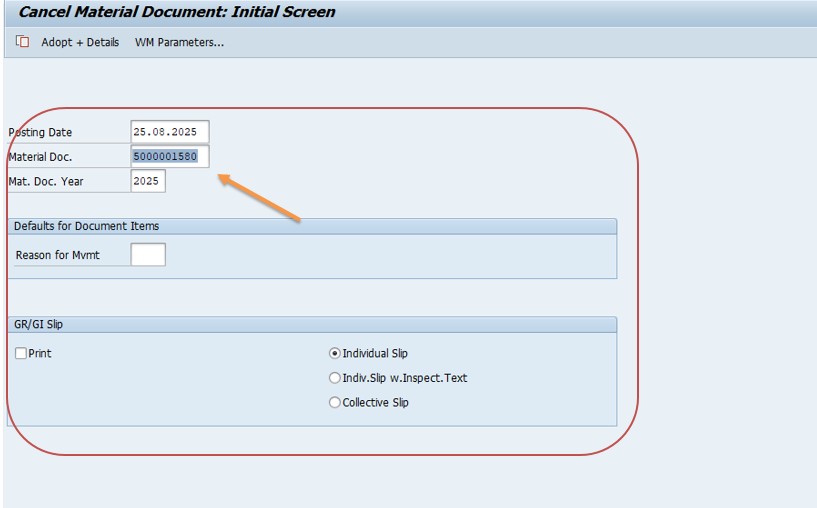
Then Enter the Fiscal Year of Company - 2025. The fiscal year is required alongside the document number to uniquely identify the exact posting being reversed.
Enter Execute (F8). Executing processes the reversal against the specified document.
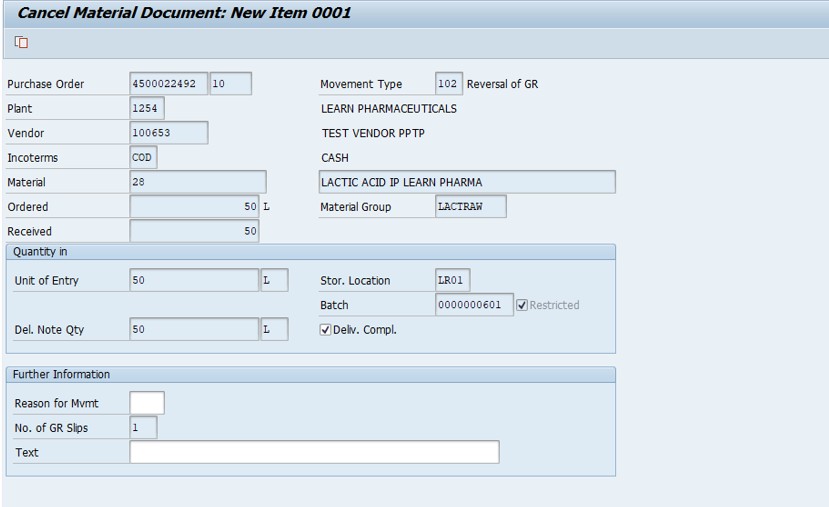
Reversal document will be generated confirming the cancellation. This new document is the system's record that the original Goods Receipt has now been reversed.
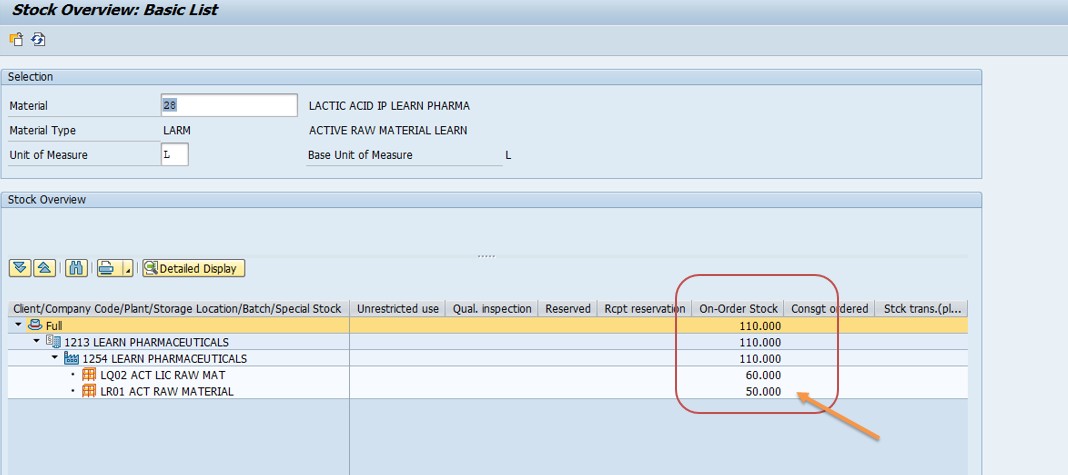
Check Stock for Reversal - MMBE. Displaying stock overview one more time confirms the previously received quantity has been removed, restoring inventory to what it was before the original Goods Receipt.
📋 Key Fields Involved in Reversing a Goods Receipt
| Field | What It Captures |
|---|---|
| Material Document Number | The original Goods Receipt document being reversed. |
| Fiscal Year | The accounting year the original document was posted in, required to uniquely identify it. |
| Reversal Quantity | The quantity being reversed, which can be the full received amount or only a portion for a partial reversal. |
| Reason for Reversal | A documented explanation - excess delivery, wrong material, duplicate posting, damage - for why the reversal is needed. |
| Reversal Document | The new material document generated confirming the cancellation once the reversal is executed. |
| Stock Overview (MMBE) | The report used to verify the reversal's effect on inventory before and after posting. |
📋 Related SAP Transactions
| Transaction | Purpose |
|---|---|
| ME21N | Create the original Purchase Order that a Goods Receipt is posted against. |
| MIGO | Post a Goods Receipt, or reverse one using its own Cancellation tab. |
| MBST | Reverse a Material Document as a dedicated, standalone transaction. |
| MMBE | Display stock overview to verify inventory before and after a reversal. |
| MB51 | Display a list of Material Documents, useful for locating the correct document to reverse. |
| MIRO | Post or review an invoice, which may need attention before a related Goods Receipt can be reversed cleanly. |
❗ Common Mistakes When Reversing a Goods Receipt
- Entering the wrong material document number or fiscal year, reversing a different Goods Receipt than the one actually intended.
- Attempting a reversal after an invoice has already been posted against the Goods Receipt, without addressing the invoice first.
- Reversing the full quantity when only a partial reversal was actually needed, or vice versa.
- Not documenting the reason for the reversal, making it harder to explain the correction during a later audit or review.
- Skipping the post-reversal stock check in MMBE, missing the chance to confirm the reversal genuinely worked.
- Delaying the reversal well after the error was identified, allowing inaccurate stock or financial data to persist longer than necessary.
✅ Best Practices for Reversing Goods Receipts
- Confirm the exact material document number and fiscal year before entering MBST, ideally by checking MB51 first.
- Check whether an invoice already exists against the Goods Receipt, and address it first if so, before attempting the reversal.
- Use MMBE to check stock both before and after the reversal, so the correction's effect can be clearly verified.
- Document the specific reason for the reversal - excess delivery, wrong material, duplicate posting, damage - for future reference.
- Reverse an incorrect Goods Receipt as soon as the error is identified, rather than letting inaccurate data linger.
- Confirm authorization requirements are met before attempting a reversal, since most organizations restrict who can perform this action.
📈 How a Goods Receipt Reversal Affects Downstream Records
Reversing a Goods Receipt through MBST touches the same set of records a cancellation through MIGO would - stock quantity is reduced back to what it was before the original posting, and the corresponding GR/IR clearing account entry is reversed as well. Any invoice verification that was planned against the reversed Goods Receipt now has nothing valid to match against, which is exactly why sequencing matters: if an invoice already exists, it typically needs to be dealt with before the reversal, to avoid leaving the GR/IR account in an inconsistent state.
Left unreversed, an erroneous Goods Receipt continues to distort every process that reads current stock or GR/IR balances - inventory reports, MRP proposals, and financial reconciliation all keep working from the incorrect figure until the reversal is actually posted, which is why the guide's emphasis on reversing promptly once an error is identified matters well beyond simple tidiness.
✅ Validating a Goods Receipt Reversal
Before considering a reversal complete, run through a short validation checklist. Confirm the correct material document number and fiscal year were used by double-checking against the original Goods Receipt. Confirm no invoice already exists against that document, or that it has already been properly addressed. Check stock overview (MMBE) both before and after the reversal to confirm the quantity has genuinely returned to its pre-receipt level. Finally, confirm the reason for the reversal has been documented for audit purposes.
Skipping this validation is one of the more common reasons a reversal appears to succeed but leaves inventory or GR/IR records subtly inconsistent - usually traceable to the wrong document being reversed or an unaddressed invoice.
🎓 Interview-Style Questions and Answers
Q: What is the difference between MBST and MIGO's Cancellation tab for reversing a Goods Receipt?
Both achieve the same underlying reversal, but MBST is a standalone, dedicated transaction focused purely on reversing material documents, while MIGO's Cancellation tab performs the same reversal from within the broader MIGO screen used for posting goods movements generally.
Q: Can a Goods Receipt be reversed after invoice posting?
Generally no, not straightforwardly - the invoice typically needs to be addressed or reversed first, since reversing the Goods Receipt while a matching invoice still exists can leave the GR/IR clearing account inconsistent.
Q: Can partial Goods Receipt reversals be done in SAP?
Yes, SAP supports reversing only a portion of an originally received quantity, rather than requiring the entire Goods Receipt document to be cancelled.
Q: Is authorization required to reverse a Goods Receipt?
Yes, reversing a Goods Receipt typically requires specific authorization, since the action directly affects inventory and financial records and most organizations restrict who can perform it.
📚 Quick Glossary of Terms Used in This Guide
- Goods Receipt (GR): The transaction that records the physical receipt of materials into inventory and links it to a Purchase Order.
- Reversal: The correction of a previously posted Material Document, undoing its effect on stock and GR/IR clearing.
- Material Document Number: The unique identifier of a specific goods movement posting, required to reverse it.
- Fiscal Year: The accounting year a Material Document was posted in, used together with the document number to identify it.
- Partial Reversal: Reversing only a portion of an originally received quantity rather than the entire document.
- GR/IR Clearing Account: A temporary account holding the value of goods received but not yet invoiced, also affected when a Goods Receipt is reversed.
📝 Governance for Goods Receipt Reversals
Because reversing a Goods Receipt directly affects inventory and financial records, most organizations maintain governance around who is authorized to perform reversals, what documentation must accompany a reversal request, and how quickly errors should be corrected once identified. This matters because warehouse operations depend on accurate stock figures for planning, and finance depends on accurate GR/IR balances for period-end reconciliation - both directly affected by any reversal.
Data quality governance around reversals follows the same underlying logic as other corrective actions in SAP: a reversal performed carelessly - the wrong document number entered, an existing invoice left unaddressed - tends to surface as an inventory discrepancy or a reconciliation problem well after the reversal was actually posted, at which point it is considerably more disruptive to untangle. A clear reversal checklist, consistently applied and paired with documented authorization requirements, keeps this corrective process reliable even as transaction volume grows.
💼 Real-World Scenario: Reversing a Goods Receipt for Damaged Material
Materials Management user Pooja Mishra at Learn Pharmaceuticals had posted a Goods Receipt against a recent Purchase Order, only for the warehouse team to discover during unpacking that a portion of the delivered material had arrived visibly damaged. Because the Goods Receipt had already updated stock as though the material was usable, a reversal was needed before the damaged goods could be properly handled and returned to the vendor.
Poojafirst checked stock in MMBE, confirming the damaged quantity was currently reflected as available inventory. He entered MBST in the SAP command field, entered the Material Document Number of the Goods Receipt in question, and entered the fiscal year, 2025, alongside it. He pressed Execute (F8) to process the reversal.
The system generated a reversal document confirming the cancellation. Poojachecked stock once more in MMBE, confirming the damaged quantity had been removed from available inventory, restoring an accurate picture for anyone reviewing stock levels. With the Goods Receipt properly reversed, the warehouse team could then proceed with returning the damaged material to the vendor through the appropriate Return PO process, without the original, now-inaccurate receipt continuing to distort inventory records in the meantime.
📱 This Process in SAP S/4HANA
Transaction MBST and the underlying Goods Receipt reversal logic work largely the same way in SAP S/4HANA as in classic ECC 6.0, since material document reversal remains a core Materials Management capability closely tied to inventory and Financial Accounting. What has changed in S/4HANA is the availability of Fiori apps offering a more modern, list-based way to locate and reverse material documents, alongside tighter real-time integration with the Universal Journal, meaning a reversal's financial impact is typically reflected in reporting views almost immediately. Many S/4HANA implementations continue to use MBST for direct, focused reversals, while Fiori-based tools are increasingly favored for reviewing recent material documents before deciding a reversal is needed.
🎯 Conclusion
Reversing a Goods Receipt through MBST is the direct, purpose-built way to correct an inaccurate posting - excess delivery, wrong material, duplicate entry, or damaged goods - keeping both inventory and financial records aligned with what actually happened. Entering the correct material document number and fiscal year, confirming no invoice needs to be addressed first, and checking stock before and after the reversal are what separate a properly executed correction from one that quietly leaves data out of sync. Keep this guide handy the next time your organization needs to reverse a Goods Receipt in SAP.
📝 Practice - Yes/No Quiz
1. Can I reverse a GR after invoice posting?
2. Can partial GR reversals be done?
3. Is authorization required to reverse a GR?